
Exploring Treatment Options for Incontinence: Surgical vs. Non-Surgical Solutions
Urinary incontinence is a common but treatable condition that affects millions of people, particularly women over 40. Whether it's leaking when you sneeze or run (stress incontinence) or the sudden, urgent need to urinate (urge incontinence), these symptoms can significantly impact daily life and confidence.
The good news? There are multiple treatment options available—ranging from non-invasive solutions like pelvic floor exercises and Emsella treatments to surgical procedures like sling surgery and TVT. Understanding the pros and cons of each approach can help you make an informed decision about what’s best for your health.
Understanding Urinary Incontinence
Before diving into treatments, let’s quickly review the two most common types of incontinence:
🔹 Stress Incontinence – Leakage occurs due to pressure on the bladder, often triggered by sneezing, coughing, laughing, or exercise. This is usually caused by weakened pelvic floor muscles and is common after childbirth or menopause.
🔹 Urge Incontinence (Overactive Bladder) – A sudden, strong urge to urinate followed by involuntary leakage. It’s caused by overactive bladder muscles and can be triggered by things like running water, opening the front door, or drinking too much caffeine.
Both types of incontinence can be managed with non-surgical or surgical solutions, depending on severity.
Non-Surgical Treatment Options for Incontinence
For many people, non-invasive options can successfully improve bladder control and reduce leakage without the need for surgery. These approaches focus on strengthening the pelvic floor, retraining the bladder, and improving muscle function.
1. Pelvic Floor Exercises (Kegels & Pilates)
Best for: Mild to moderate stress incontinence
✅ How it Works: Strengthens the pelvic floor muscles to better support the bladder and prevent leakage.
✅ Pros:
- Can be done anywhere, anytime.
- No side effects or downtime.
- Effective when done consistently and correctly.
❌ Cons:
- Requires proper technique—many people unknowingly do Kegels incorrectly.
- Takes time to see noticeable improvements (typically 3-6 months).
- Less effective for severe incontinence.
➡️ How Pilates Helps: At PELVIC FLOOR LOUNGE By Eden Beach Pilates, we specialise in Pelvic Floor Pilates, which goes beyond Kegels to strengthen deep core muscles and improve overall pelvic stability.
2. Bladder Training & Lifestyle Modifications
Best for: Urge incontinence & stress incontinence
✅ How it Works: Helps retrain the bladder to hold urine longer and reduce urgency.
✅ Pros:
- No medical intervention required.
- Helps reduce frequent bathroom trips.
- Combines well with other treatments.
❌ Cons:
- Requires patience and consistency.
- Not effective for severe cases.
💡 Tip: Avoid bladder irritants like caffeine, alcohol, and artificial sweeteners, and drink plenty of water to keep urine diluted and less irritating to the bladder.
3. The Emsella Chair: A Non-Invasive High-Tech Solution
Best for: Stress & urge incontinence (mild and moderate to severe cases)
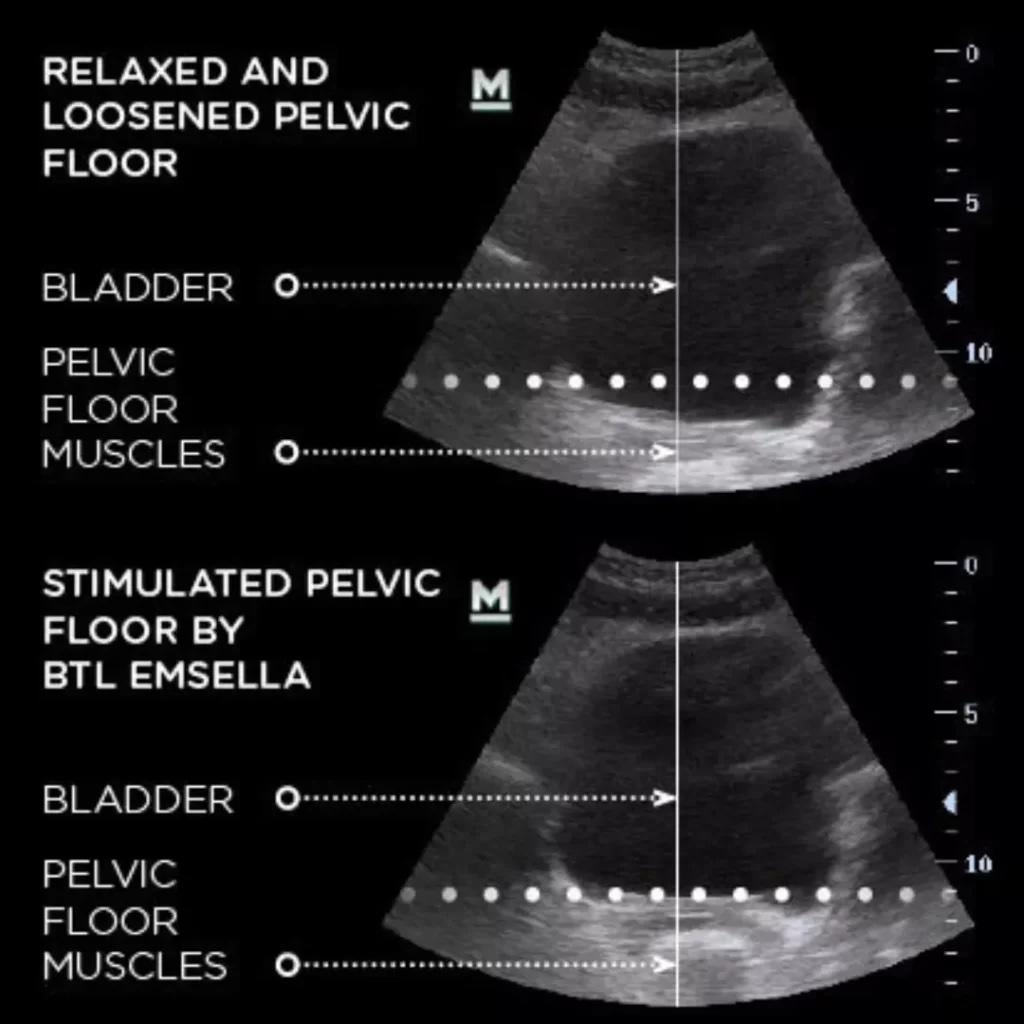
✅ How it Works: Uses high-intensity electromagnetic energy (HIFEM) to stimulate thousands of deep pelvic floor contractions in just one session—far more than you could achieve through exercise alone.
✅ Pros:
- Completely non-invasive—you remain fully clothed.
- Fast results—many patients see improvement after just a few sessions.
- Strengthens both weak and overactive pelvic floor muscles.
- Painless, no downtime, and takes only 30 minutes per session.
❌ Cons:
- May not be covered by insurance.
- Not everyone is suitable for this treatment - contraindications apply.
💡 Why Consider Emsella? If you’ve tried Kegels without success or want a quicker, more effective solution, Emsella is a game-changer.
Surgical Treatment Options for Incontinence
For severe or persistent incontinence, surgery may be a more effective long-term solution. Here’s what you need to know about common surgical interventions:
1. Sling Surgery (Mid-Urethral Sling or TVT Surgery)
Best for: Moderate to severe stress incontinence
✅ How it Works: A small mesh sling is placed under the urethra to provide additional support, preventing leaks.
✅ Pros:
- High success rate (80–90% of patients see improvement).
- Permanent solution for many people.
❌ Cons:
- Requires surgery and recovery time (typically 2–6 weeks).
- Risk of complications, including pain, mesh erosion, or infection.
- May not be suitable for older women or those with weakened connective tissues.
💡 Important Note: Some people have experienced issues with mesh implants, so it’s essential to discuss risks with your doctor before opting for this procedure.
2. Bladder Neck Suspension (Burch Procedure)
Best for: Severe stress incontinence
✅ How it Works: Lifts and repositions the bladder neck and urethra for better support.
✅ Pros:
- High long-term success rate.
- No need for synthetic mesh.
❌ Cons:
- Major surgery with longer recovery time.
- Requires general anesthesia.
3. Botox Injections for Overactive Bladder
Best for: Urge incontinence (overactive bladder)
✅ How it Works: Injecting Botox into the bladder muscle relaxes the bladder, reducing urgency and frequency.
✅ Pros:
- Quick, minimally invasive procedure.
- Results last 4–6 months.
❌ Cons:
- Temporary—must be repeated regularly.
- Risk of urinary retention, requiring catheter use.
Surgical vs. Non-Surgical: Which is Right for You?
Non-Surgical Treatments Are Best If:
✔️ Your symptoms are mild to moderate.
✔️ You prefer a non-invasive approach.
✔️ You’re willing to commit to lifestyle changes and exercises.
✔️ You want to try Emsella for faster, pain-free results.
Surgical Treatments May Be Best If:
✔️ Your symptoms are severe or long-term.
✔️ You’ve tried non-surgical options with little success.
✔️ You want a more permanent solution.
💡 Key Takeaway: For many people, a combination of treatments (like Emsella + lifestyle changes) can provide significant improvement without surgery. However, if symptoms persist, further investigation may be required as weak muscles are sometimes not the only contributors - surgery may be the alternative option.
Take Control of Your Bladder Health
You don’t have to live with leaks, urgency, or discomfort—there are solutions! Whether you choose Pelvic Floor Pilates, Emsella, or a medical procedure, the most important step is taking action.
🚀 Ready to improve your pelvic health?
📍 Book a consultation at PELVIC FLOOR LOUNGE today to explore your non-surgical options and see if Emsella is right for you!
💬 Have questions? We’re here to help! Contact us to learn more.

Book Your Free Phone Consultation
Book A Call